
Tretinoin in Australia: What a Pharmacist Wants You to Know
TL;DR
Tretinoin is a vitamin A cream or gel used for acne and sun damaged skin. In Australia it is a Schedule 4 Prescription Only Medicine, so you need a doctor's prescription. It is stronger and more irritating than cosmetic retinol, so start slowly, use sunscreen every day and allow about 12 weeks before judging results. Tretinoin is not safe to use during pregnancy.
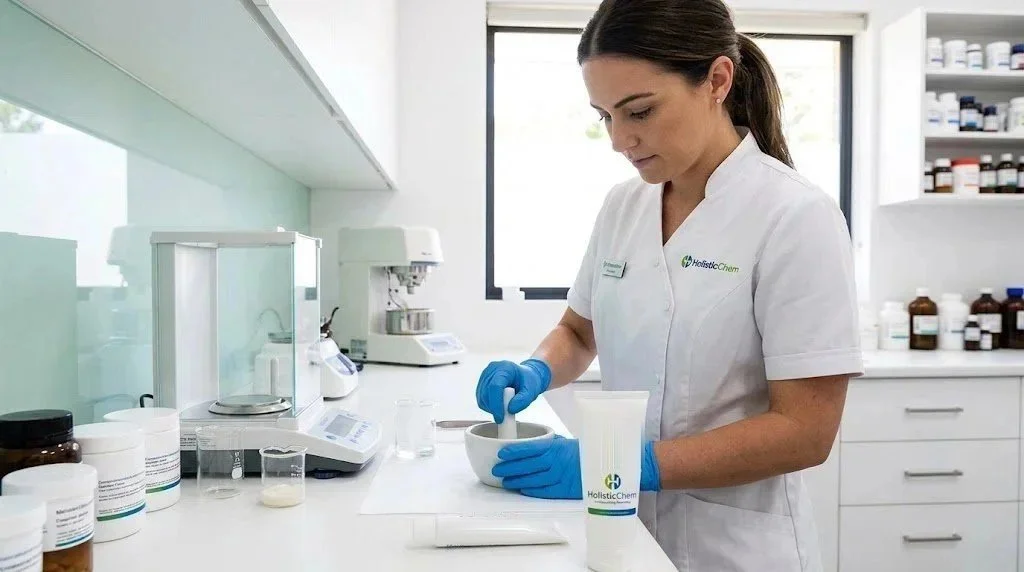
Tretinoin in Australia has become one of the most searched skincare medicines, largely thanks to social media. It is a proven treatment for acne and sun damage, but it is also a prescription medicine that can irritate your skin if you use it the wrong way.
Many people are unsure whether they need a script, how tretinoin differs from the retinol sold in skincare shops, and what to expect in the first few weeks.
This guide answers those questions using Australian sources, including healthdirect, the official consumer medicine information and DermNet. It is general information, so talk to your GP, dermatologist or pharmacist before you start tretinoin.
What Is Tretinoin?
Tretinoin is a topical retinoid, a medicine made from vitamin A that you apply to the skin as a cream or gel. DermNet describes topical retinoids as an effective first line treatment for both blackhead type (comedonal) and inflamed acne.
Tretinoin changes how quickly the outer layer of skin renews, which helps keep pores clear. The Retrieve consumer medicine information explains that it regulates the growth and renewal of the skin's outer layer.
It helps to know how acne forms. Healthdirect explains that dead skin cells and oil build up in pores, bacteria can then grow and cause inflammation, and hormones can increase oil production. It also notes that acne is not caused by poor hygiene, so scrubbing harder will not fix it.
It is also used for sun damaged skin. DermNet notes that long term use for more than 6 months can reduce freckling and fine wrinkles.
Do You Need a Prescription for Tretinoin in Australia?
Yes. Tretinoin is a Schedule 4 Prescription Only Medicine in Australia, so a doctor must prescribe it before a pharmacy can supply it.
Healthdirect lists Retrieve tretinoin 0.05% cream as Schedule 4, for acne and sun damaged skin in people aged 12 and over. Acnatac, a gel that combines tretinoin with the antibiotic clindamycin, is also prescription only.
At the appointment, your doctor will usually look at the type and severity of your acne, ask about pregnancy plans and other medicines, and check what you have already tried. This is also the time to ask how often to apply it and what to do if your skin becomes irritated.
Be wary of websites that offer tretinoin without a prescription. A product bought this way may not contain what it claims, and you miss the medical check that makes sure tretinoin suits your skin and health.
Tretinoin vs Retinol: What Is the Difference?
Retinol is a milder vitamin A ingredient sold in cosmetics without a prescription, while tretinoin is a stronger prescription medicine.
DermNet notes that retinol and retinaldehyde are commonly added to cosmetics, while prescription retinoids include tretinoin, adapalene, tazarotene and trifarotene. Among the prescription options, it describes adapalene as the least irritating and tretinoin as the most irritating.
Retinol can be a gentle starting point for mild concerns. If acne is persistent or leaving marks, a doctor can decide whether a prescription retinoid is a better fit.
How Should You Use Tretinoin?
Apply a thin layer of tretinoin once a day at bedtime, start slowly, and protect your skin from the sun every day.
Apply a thin layer to clean, dry skin once a day at night, as described in the Retrieve consumer medicine information.
Start slowly. The leaflet describes washing it off after a few minutes on the first night, then building up the time it stays on over about a week before leaving it on overnight. Follow your doctor's directions if they differ.
Keep it away from the eyes, eyelids, lips, mouth and the corners of the nose.
Use a moisturiser and a broad spectrum SPF 30 or higher sunscreen during the day, and avoid solariums.
Avoid other peeling products, such as benzoyl peroxide, salicylic acid, sulfur or resorcinol, at the same time unless your doctor advises otherwise.
DermNet notes that gels are the least noticeable on the skin, while creams are the least irritating.
How Long Does Tretinoin Take to Work?
Most people need about 12 weeks of regular use before they see a clear improvement.
DermNet states it may take 12 weeks or longer before improvement is seen. Healthdirect says acne treatments often take 2 to 3 months to work, and suggests asking a pharmacist or doctor about other options if nothing has changed after that.
The first weeks are often the hardest. Redness, dryness and peeling are common early on, and DermNet calls this retinoid dermatitis. If it becomes uncomfortable, ask your doctor about using tretinoin less often for a while rather than stopping altogether.
What Are the Side Effects of Tretinoin?
The most common side effects of tretinoin are redness, peeling, dryness and mild stinging where it is applied.
The Retrieve consumer medicine information lists redness, warmth, peeling, slight stinging and darkening or lightening of treated skin as less serious effects. It advises getting medical help straight away for severe irritation or burning, or a marked increase in sun sensitivity.
Who should not use tretinoin
Do not use tretinoin if you are pregnant or planning a pregnancy. The Retrieve leaflet says to stop straight away and see your doctor if you become pregnant, and DermNet advises effective contraception for women of childbearing age because retinoids can harm an unborn baby.
Tell your doctor if you are breastfeeding, have eczema, or are allergic to vitamin A or isotretinoin. The leaflet advises caution with eczema and waiting until sunburn has fully healed before applying tretinoin. If eczema is part of the picture, read our guide to compounded eczema and psoriasis creams.
Can Tretinoin Be Combined With Other Acne Treatments?
Yes, but only with a doctor's guidance, because combining treatments can increase irritation.
Doctors often pair a retinoid with an antibiotic or an anti inflammatory treatment. Acnatac is one commercial example that combines tretinoin and clindamycin in a single gel.
Azelaic acid is another option that suits sensitive skin and helps with redness and marks. Read our update on the azelaic acid gel shortage to see where supply stands.
Sometimes a commercial strength or base does not suit a person's skin. In that case, a doctor may prescribe a custom cream or gel prepared by a compounding pharmacy to the strength and base they specify. You can read more about what a compounding pharmacy does.
Conclusion
Tretinoin in Australia is a proven prescription treatment for acne and sun damaged skin, but it rewards patience and care. Start slowly, use sunscreen every day and give it at least 12 weeks.
Three points to remember: you need a doctor's prescription, it is not safe during pregnancy, and irritation in the first weeks is common and usually manageable.
If you have questions about tretinoin or how it fits with your other skincare, the pharmacists at our Bayswater pharmacy can help in a judgement free chat. Call 03 8204 6600, message us on WhatsApp at 0403 545 543, or contact our team online.
Frequently Asked Questions
Can you buy tretinoin over the counter in Australia?
No. Tretinoin is a Schedule 4 Prescription Only Medicine in Australia, so you need a prescription from a doctor. Cosmetic products containing retinol are sold without a prescription, but they are milder than tretinoin.
Is tretinoin the same as retinol?
No. Both come from vitamin A, but retinol is a cosmetic ingredient while tretinoin is a stronger prescription medicine. DermNet describes tretinoin as the most irritating of the prescription retinoids, so it needs a slower start and daily sun protection.
What strength of tretinoin is available in Australia?
Healthdirect lists Retrieve as a 0.05% tretinoin cream, and Acnatac gel contains 0.025% tretinoin combined with clindamycin. Your doctor chooses the product and strength that suit your skin.
Why does my skin look worse when I start tretinoin?
Redness, dryness and peeling are common in the first few weeks, a reaction DermNet calls retinoid dermatitis. It usually settles as your skin adjusts, and improvement can take 12 weeks or longer. If irritation is strong, ask your doctor about using it less often.
Can I use tretinoin while pregnant?
No. The Retrieve consumer medicine information says not to use it if you are pregnant or planning a pregnancy, and to stop and see your doctor if you become pregnant. Talk to your doctor about safer options.
This article is general information only and does not replace advice from your doctor or pharmacist. Always read the label and use medicines only as directed. If symptoms persist, see your healthcare professional.