
Essential Oils for Sleep: What a Pharmacist Wants You to Know
TL;DR
Essential oils for sleep, especially lavender, have more research behind them than most natural sleep options. A 2025 review of 10 clinical trials found inhaled lavender improved sleep quality scores in older adults. Most studies are small and short, so treat essential oils as one part of a calm bedtime routine, not a treatment for insomnia. Never swallow essential oils, store them away from children, and see a pharmacist or GP if poor sleep continues.
Essential oils for sleep are one of the most popular natural options Australians try when a busy mind keeps them awake at night. The Sleep Health Foundation's 2025 sleep report found that 47% of Australians say a busy mind stops them sleeping, and 40% use some form of sleep medication.
Many people would rather start with something gentler. At HolisticChem in Bayswater, our pharmacists hear the same questions every week. Which oils work? How should I use them? Are they safe around my kids and my cat?
This guide answers those questions using published research and Australian health sources. You will learn what the evidence says, which oils have the most support, the best ways to use them at night, and when a sleep problem needs more than aromatherapy.
Do Essential Oils Help You Sleep?
Essential oils can help some people feel calmer at bedtime, and lavender has the most research behind it. The evidence is promising but limited, so essential oils for sleep work best alongside good sleep habits rather than in place of them.
The strongest evidence comes from a 2025 systematic review in Experimental Gerontology. Researchers pooled 10 clinical trials involving about 610 older adults. Lavender aromatherapy by inhalation improved sleep quality scores compared with placebo, and 9 of the 10 trials reported a benefit. No serious side effects were reported.
Roman chamomile also shows early promise. A 2024 randomised controlled trial in The International Journal of Psychiatry in Medicine gave 80 young adults with insomnia either 10 minutes of chamomile oil inhalation each night for 15 days or no treatment. The chamomile group showed greater improvement on two standard sleep questionnaires.
These results need context. The same lavender review rated four of its trials at high risk of bias, and no trial ran longer than one month. The US National Center for Complementary and Integrative Health (NCCIH) states it is still unclear whether lavender aromatherapy improves sleep quality or insomnia. The Sleep Health Foundation also notes that many studies of herbal sleep remedies did not compare results properly against a placebo.
Our pharmacist view at HolisticChem is simple. Essential oils are a reasonable, low cost addition to a wind down routine for most adults. They are not a replacement for treating a sleep disorder.
Which Essential Oils Are Best for Sleep?
Lavender is the best studied essential oil for sleep, followed by Roman chamomile. Other popular sleep oils such as sandalwood, vetiver, frankincense and geranium have much less clinical research, so their use rests mainly on tradition and personal preference.
Lavender (Lavandula angustifolia): floral and herbal aroma; the most studied, with several trials and a 2025 systematic review.
Roman chamomile: sweet, apple like aroma; supported by small randomised trials.
Sandalwood: soft, woody aroma; limited clinical research.
Vetiver: earthy, smoky aroma; limited clinical research.
Frankincense: resinous, warm aroma; limited clinical research.
Geranium: floral, rosy aroma; limited clinical research.
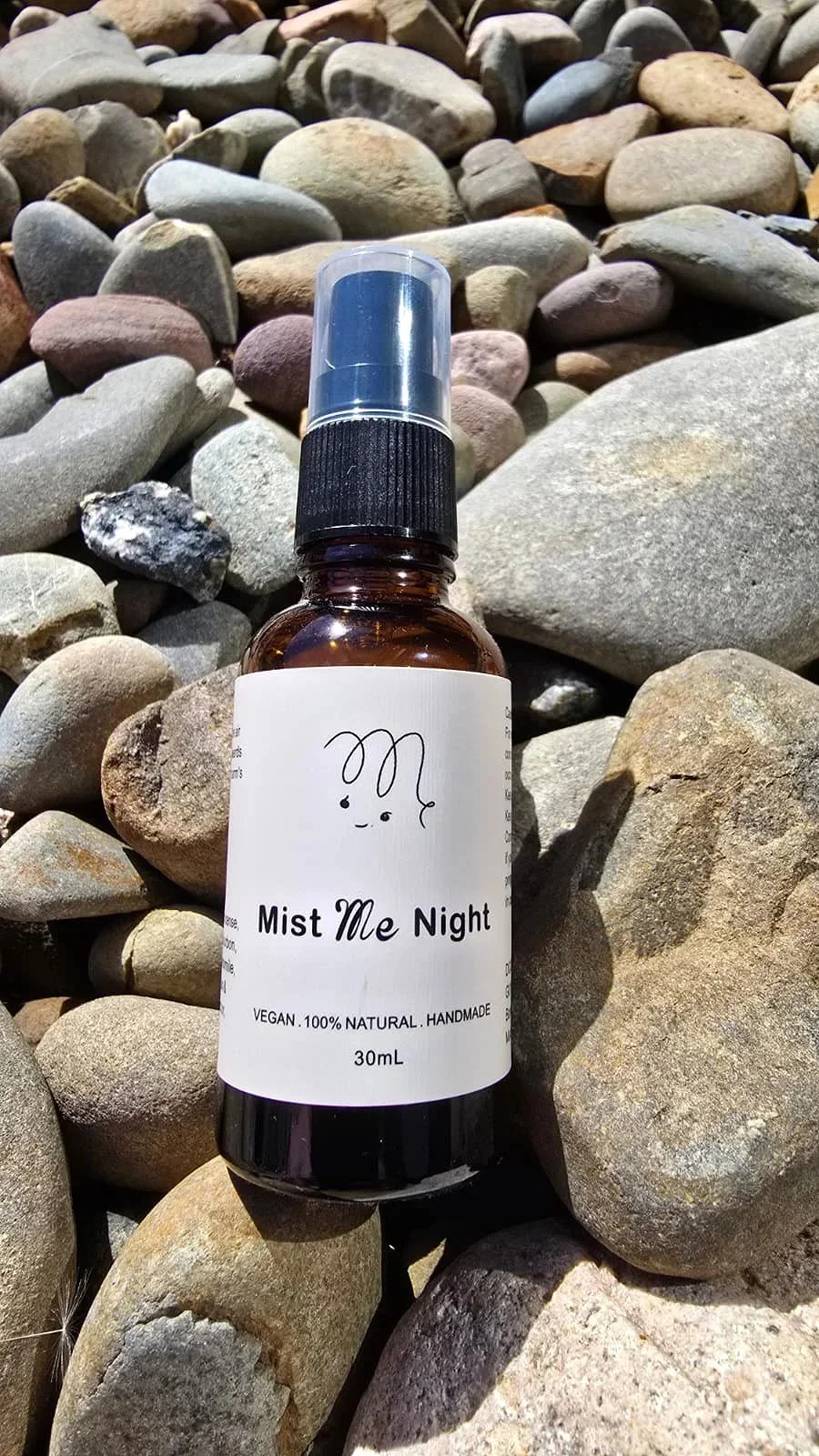
Blends are common because many people enjoy layered scents. HolisticChem's Mist Me Night aromatherapy mist combines lavender and Roman chamomile with frankincense, petitgrain, geranium bourbon, vetiver and patchouli in a sandalwood hydrosol base.
Choose a scent you enjoy. An aroma you find unpleasant is unlikely to help you relax, however well studied it is.
When buying essential oils, check these points:
The label lists the botanical name, such as Lavandula angustifolia for true lavender.
The product is a pure essential oil, not a synthetic "fragrance oil".
The bottle has a child resistant cap and a dropper insert.
The bottle is dark glass, which protects the oil from light.
For a wider look at how essential oils fit into natural self care, read our guide to the benefits of essential oils.
How to Use Essential Oils for Sleep
The safest ways to use essential oils for sleep are inhalation methods: a diffuser, a room or pillow spray, or a drop on a tissue near your bed. Inhalation is also the method used in most of the sleep trials described above.
Here are the most common methods and how to use each one safely:
Diffuser. Add a few drops to the water tank, following the diffuser maker's directions. Run it for 30 to 60 minutes before bed in a ventilated room, then switch it off.
Room or pillow spray. Spray once or twice into the air or towards your bedding from arm's length. Let the mist settle and dry before you lie down.
Tissue or cotton pad. Place one or two drops on a tissue and leave it near your pillow, not on it. This is a simple option for travel or shared rooms.
Bath. Mix a few drops into a carrier such as an unscented bath gel or oil first. Essential oils do not dissolve in water and can irritate skin when undiluted.
Massage. Always dilute essential oils in a carrier oil before applying them to skin, and do a small patch test first. The NCCIH notes that lavender products can cause allergic skin reactions in some people.
Never swallow essential oils. Oral lavender capsules sold as medicines are a different product with different dosing and safety rules.
Consistency matters more than strength. Use the same scent at the same time each night as part of a routine. Healthdirect recommends regular sleep and wake times, no screens for an hour before bed, and a dark, quiet, cool bedroom.
Sleep Spray, Pillow Spray or Diffuser: Which Suits You?
A sleep spray or pillow spray suits people who want a quick, low effort option with no equipment. A diffuser suits people who want a longer lasting scent across the whole bedroom. Both deliver essential oils by inhalation, which matches how most sleep research has been done.
Sleep or pillow spray: best for quick routines, travel and shared bedrooms. Spray from arm's length, let it dry and keep it away from eyes.
Diffuser: best for a longer scent across a larger room. Run it for 30 to 60 minutes before bed, ventilate the room, and take care around asthma, babies and cats.
Tissue or cotton pad: best for shift workers, travel or a very light scent. Use one or two drops and place it near the pillow, not on it.
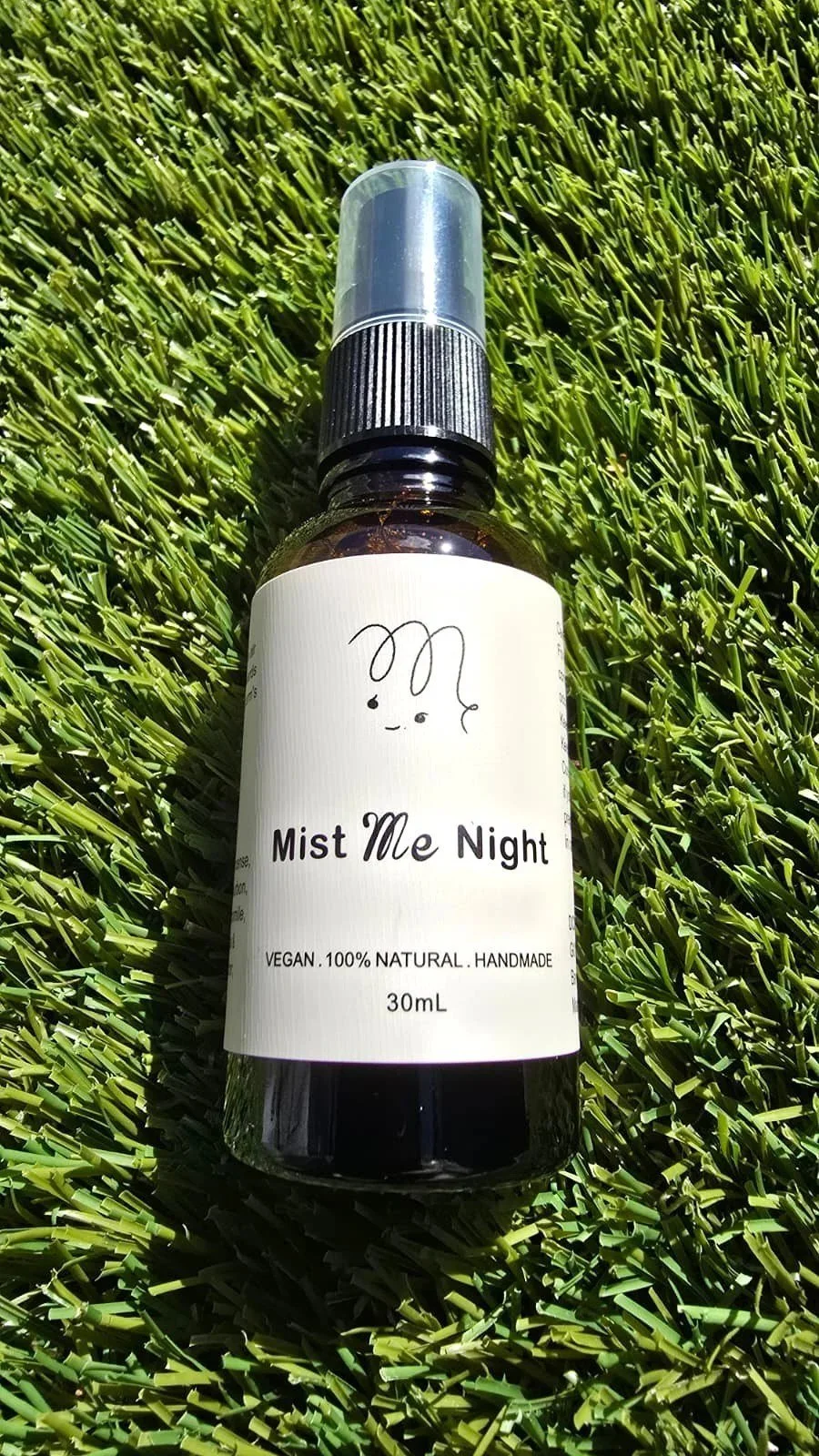
Mist Me Night from the HolisticChem Natural Range is a 30 mL aromatherapy mist made by an Australian pharmacist, naturopath and aromatherapist. The directions are to spray once or twice into the air, or downwards from head height at arm's length, before bedtime. It is a scent for your evening routine, not a medicine, and it is not a treatment for insomnia.
You can see Mist Me Night alongside our other evening products in the Sleep and Stress range.
Are Essential Oils Safe for Everyone?
Essential oils are safe for most adults when inhaled or properly diluted on skin, but they are poisonous if swallowed. They also need extra care around children, pets, pregnancy and asthma, because natural does not mean harmless.
Children
Accidental poisoning is the biggest risk. A 2020 study in the Medical Journal of Australia reviewed 4,412 essential oil exposures reported to the NSW Poisons Information Centre between 2014 and 2018. More than 63% involved children under 15, and about half involved toddlers aged one to four. Around 13% were medication errors, such as an oil mistaken for liquid medicine.
The Royal Children's Hospital Melbourne advises that as little as 2 to 3 mL of some essential oils can poison a child. If a child swallows any essential oil, call the Victorian Poisons Information Centre on 13 11 26 straight away.
Asthma and breathing problems
Diffusers release volatile organic compounds into the air. The American Academy of Allergy, Asthma and Immunology links compounds called terpenes to breathlessness and airway sensitivity, and advises people with asthma to use diffusers with caution.
Pets
Cats are especially sensitive. The UK animal charity PDSA states that most essential oils, including lavender, are toxic to cats. Keep cats out of rooms with an active diffuser and store oils where pets cannot reach them.
Pregnancy, breastfeeding and medicines
Speak with a pharmacist before using essential oils if you are pregnant, breastfeeding, have a medical condition or take regular medicines. The NCCIH suggests talking to a health professional about lavender if you take sedative medicines.
Essential Oils, Melatonin and Sleep Medicines: How Do They Compare?
Essential oils are a gentle option for relaxation, while melatonin and sleeping tablets are medicines with rules, side effects and possible interactions. A HolisticChem pharmacist can help you decide which option, if any, suits your situation.
Melatonin is a good example. According to healthdirect, people over 55 can buy slow release melatonin from a pharmacy without a prescription, and everyone else needs a prescription. Healthdirect also advises against combining melatonin with other herbal sleep remedies. Our guide to buying melatonin in Australia explains the rules in more detail.
Essential oils: aromatherapy for relaxation, not a medicine. No prescription needed.
Slow release melatonin: a medicine for short term sleep problems. Available from a pharmacy without a prescription for adults over 55; everyone else needs a prescription.
Other sleep medicines: medicines with side effects and interactions. Usually prescription only, so ask your GP or pharmacist.
Tell your pharmacist about every product you use for sleep, including aromatherapy and supplements. That way they can check the full picture before recommending anything new.
When Should You See a Pharmacist or GP About Sleep?
See a pharmacist or GP if poor sleep happens three or more nights a week for three months, or if it affects your mood, work or safety during the day. Healthdirect describes this pattern as chronic insomnia and says cognitive behavioural therapy for insomnia is usually the first treatment to try.
Insomnia is common. Healthdirect estimates that more than 1 in 10 people have at least mild insomnia at any given time, and it is more common in women and older adults.
Book an appointment sooner if you notice any of these signs:
You snore loudly, gasp or stop breathing during sleep.
You feel low, anxious or hopeless most days.
You fall asleep while driving or at work.
Poor sleep started after a new medicine.
A sleep diary helps. Write down when you go to bed, when you wake, and how rested you feel for two weeks, then bring it to your appointment.
At HolisticChem, you can talk to a pharmacist in store at Bayswater, chat on WhatsApp on 0403 545 543, or book a telehealth GP consultation online. Our team offers judgement free care and can help you work out the next step.
Conclusion
Essential oils for sleep can be a pleasant, low risk part of an evening routine for most adults. Lavender has the strongest research, Roman chamomile shows early promise, and inhalation through a diffuser or pillow spray is the method most studies use.
Keep these points in mind. Never swallow essential oils, store them out of reach of children and pets, and take extra care if you have asthma. If poor sleep keeps coming back, treat it as a health issue and speak with a professional.
HolisticChem is here to help. Call us on 03 8204 6600, visit us at G01/538 Mountain Highway, Bayswater VIC 3153, or contact our pharmacy team. For ongoing sleep problems, book a telehealth consultation using our online screening form.
Frequently Asked Questions
What is the best essential oil for sleep?
Lavender is the best studied essential oil for sleep. A 2025 review of 10 clinical trials found inhaled lavender improved sleep quality scores in older adults. Roman chamomile is the next best studied option. The best choice is still a scent you personally find relaxing.
Can I put essential oils on my pillow?
It is better to spray a diluted pillow mist from arm's length and let it dry, or place a drop on a tissue near your pillow. Undiluted oil on fabric that touches your face can irritate your skin and eyes.
Is it safe to run an essential oil diffuser all night?
Most adults only need to run a diffuser for 30 to 60 minutes before bed, then switch it off. Long exposure fills the room with more airborne compounds, which can bother people with asthma. Avoid diffusers in rooms with babies or cats.
Can essential oils cure insomnia?
No. Essential oils may help you feel calmer at bedtime, but they do not treat insomnia. If poor sleep happens three or more nights a week for three months, see a GP, as healthdirect recommends cognitive behavioural therapy for insomnia as the first treatment.
Are essential oils safe for children?
Essential oils are a common cause of poisoning in young children in Australia, so store them out of reach with the cap closed. Speak with a pharmacist before using any essential oil product on or around a child. If a child swallows an oil, call 13 11 26.
Disclaimer: This article is general information only and is not medical advice. Speak with your pharmacist or doctor about your individual health needs. Product information is current at the time of publishing.